Your Ultimate Guide to Zion National Park
Located in southwestern Utah, Zion National Park is a land of soaring red cliffs, narrow slot canyons, and lush river valleys. The park centers around Zion Canyon, carved by the Virgin River over millions of years, creating a deep gorge flanked by towering sandstone walls.
Zion is famous for:
Dramatic hikes like Angels Landing and The Narrows
Towering rock formations such as The Great White Throne and The Watchman
Serene, biodiverse environments combining desert, river, and forest
As a disclaimer: this blog post may contain affiliate links. This means we get a small commission if you purchase through the links - no extra cost to you! This is one way we can keep producing free guides to help you with your travels!
Park Overview
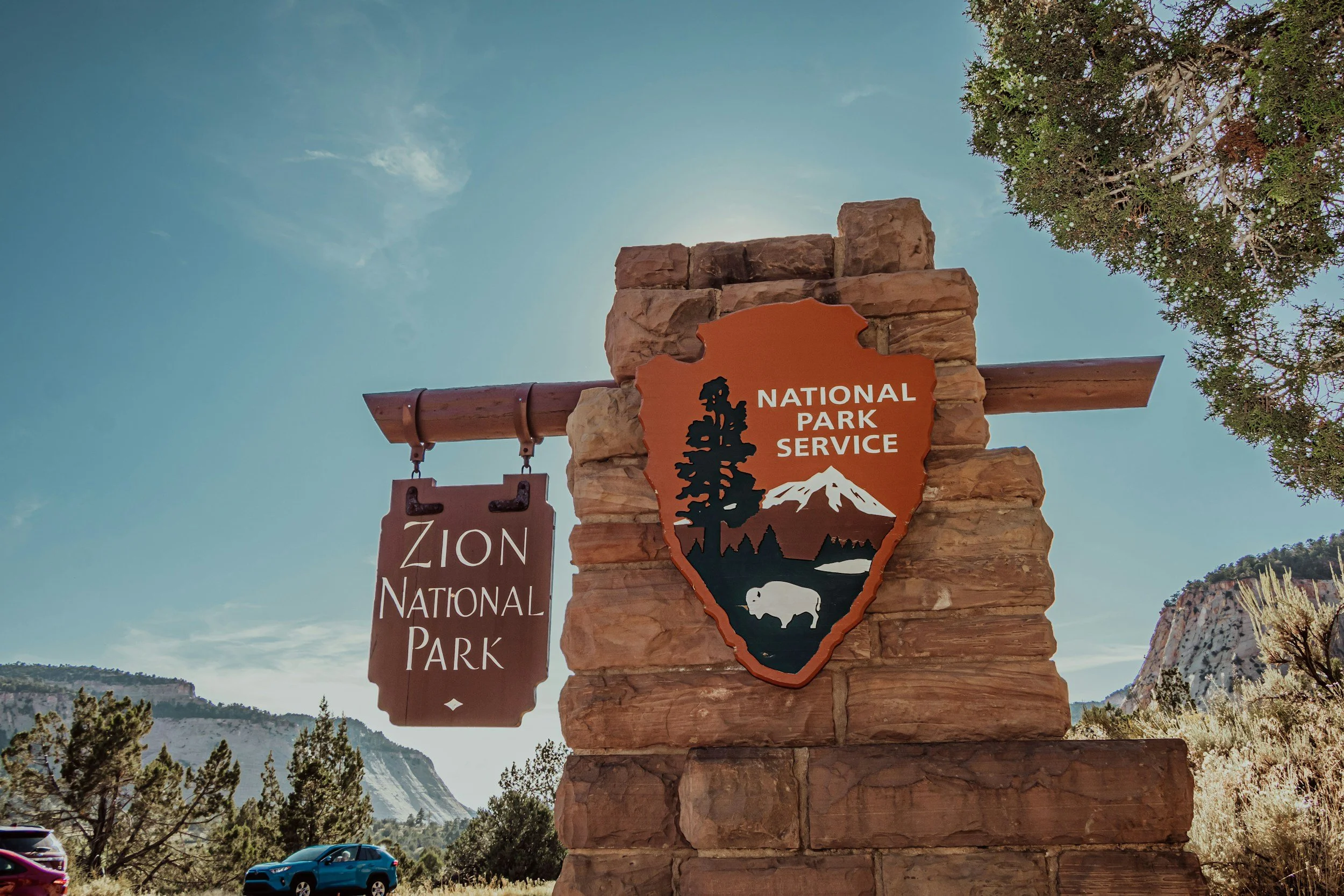
Zion National Park is one of Utah’s most iconic parks, covering nearly 150,000 acres of Utah’s wilderness. The park is centered around Zion Canyon, with additional lesser-visited areas offering quieter experiences:
Zion Canyon – Dramatic cliffs, iconic hikes like The Narrows and Angels Landing, shuttle access, busiest area.
Kolob Canyons – Finger canyons, scenic drives, and quieter hiking on the park’s northwest side.
Kolob Terrace – High-elevation plateaus, lava flows, and less-crowded trails accessed by Kolob Terrace Road.
National Park Entrance Fees
In 2026 - there are new rules for visiting national parks - it is important to note the following:
You must pay a daily entrance fee for a single park or use broader passes.
The most common pass is the America the Beautiful – National Parks and Federal Recreational Lands Pass, which covers entrance or day‑use fees at 2,000+ federal recreation sites (including national parks, monuments, forests, wildlife refuges, BLM lands, etc.). These can be purchased online or at the park entrances.
2026 updates: Starting January 1, 2026, America the Beautiful passes cost $80 for U.S. residents, but non‑U.S. residents pay $250 for an annual pass, and nonresidents without a pass will pay an additional $100 per person surcharge at 11 major parks in addition to regular fees.
How many days should you plan in the park?
3-4 days is the perfect amount of time to explore Zion Canyon. If you want to tack on visits to some of the more remote parts, you will want to add on days as necessary for that.
Best Scenic Viewpoints
1. Canyon Overlook
Quick hike to a stunning view near the east entrance
2. Zion Canyon Scenic Drive (via Shuttle)
Views of iconic formations like The Great White Throne, Court of the Patriarchs, and Angels Landing
3. Kolob Canyons Viewpoint
Less-crowded area of the park, offering red rock cliffs and deep canyons
4. Zion-Mount Carmel Highway
Scenic drive with switchbacks, tunnels, and pullouts for photos

What is the best time of year to visit?
You can visit Zion National Park year-round! That being said, it is the most crowded national park in Utah so we tend to advise against visiting in the summer if you can.
Winter can bring some variable weather but the crowds are a lot less! We love the shoulder seasons - March/April and September/October.
What to Wear in Zion National Park
The weather in Zion National Park can vary greatly depending on the time of year you visit. In the summer months, temperatures can reach 100+ degrees and in the winter months, temperatures can drop below freezing.
If you visit in the winter, layers are key:
Waterproof rain shell (pro tip: wear a bright shell, pink or blue, to stand out in photos)
If you visit in the warmer months, sun protection is key:
Other hiking gear you may need includes:
Microspikes (if you visit in the winter)
Headlamp (for sunrise or sunset hikes)
Best Hikes in Zion National Park
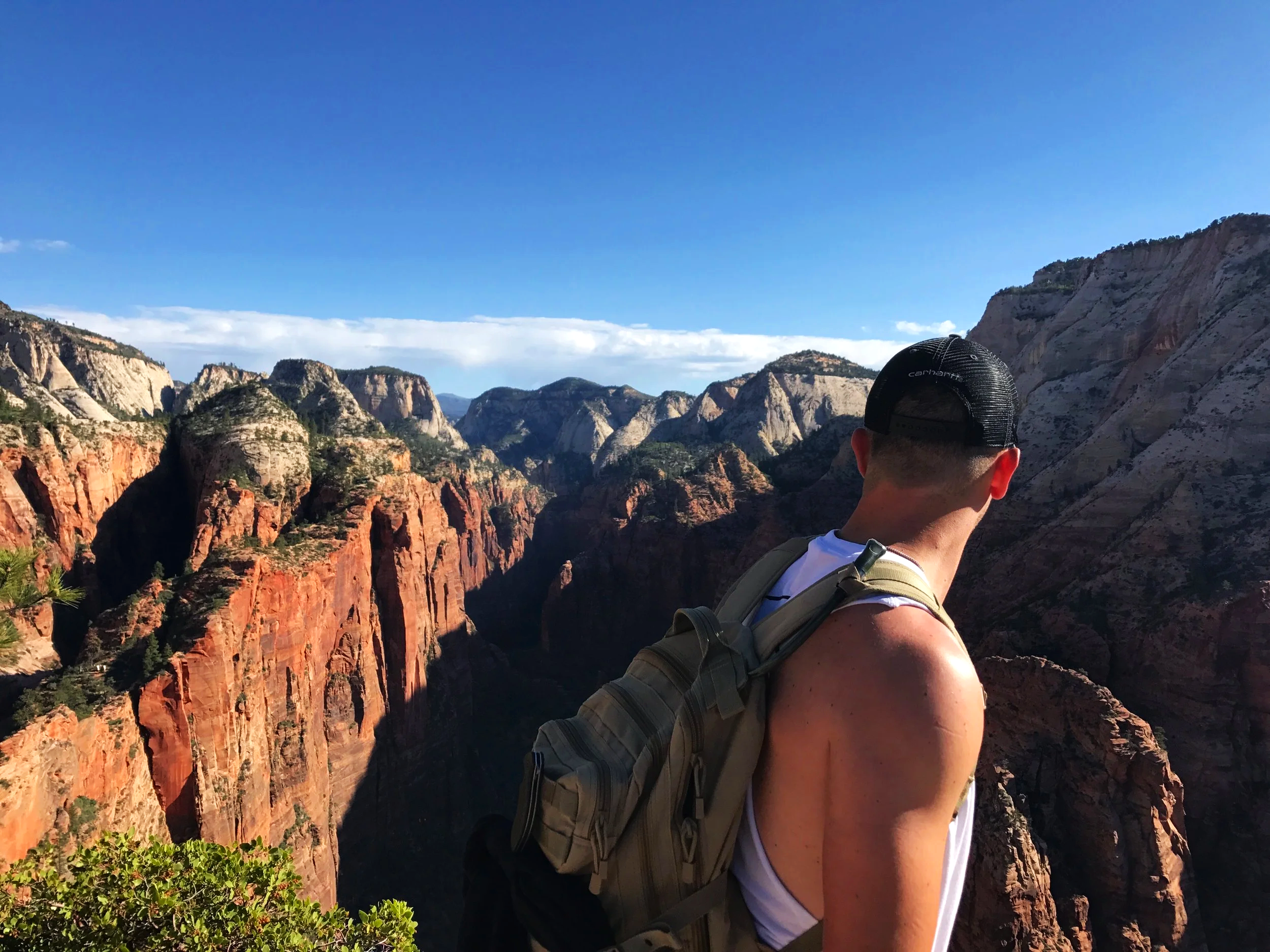
1. Angels Landing (Permit Required)
Distance: 5.4 miles round trip
Difficulty: Strenuous
Highlights: Narrow ridgeline with chains, unmatched canyon views
Note: Not for those afraid of heights, gloves can help grip chains if needed
2. The Narrows (Bottom-Up)
Distance: Up to 9.4 miles round trip (can turn around whenever you want)
Difficulty: Moderate (wet hike)
Highlights: Hike through the Virgin River in a towering slot canyon
Note: Check flash flood forecast, gear rental recommended in Springdale
3. Observation Point (via East Mesa Trail)
Distance: 7 miles round trip
Difficulty: Moderate
Highlights: One of the best panoramic views in the park-higher than Angels Landing. A great one to do if you do not get an Angel’s Landing permit.
4. Emerald Pools Trail
Distance: 3 miles round trip
Difficulty: Easy to moderate
Highlights: Waterfalls, lush pools, red rock surroundings, great family-friendly trail
5. Canyon Overlook Trail
Distance: 1 mile round trip
Difficulty: Easy
Highlights: Stunning views of Zion Canyon, perfect short hike near the tunnel, great sunrise hike.
6. Watchman Trail
Distance: 3.3 miles round trip
Difficulty: Moderate
Highlights: Views over Springdale and the southern end of the canyon
Pro Tip:
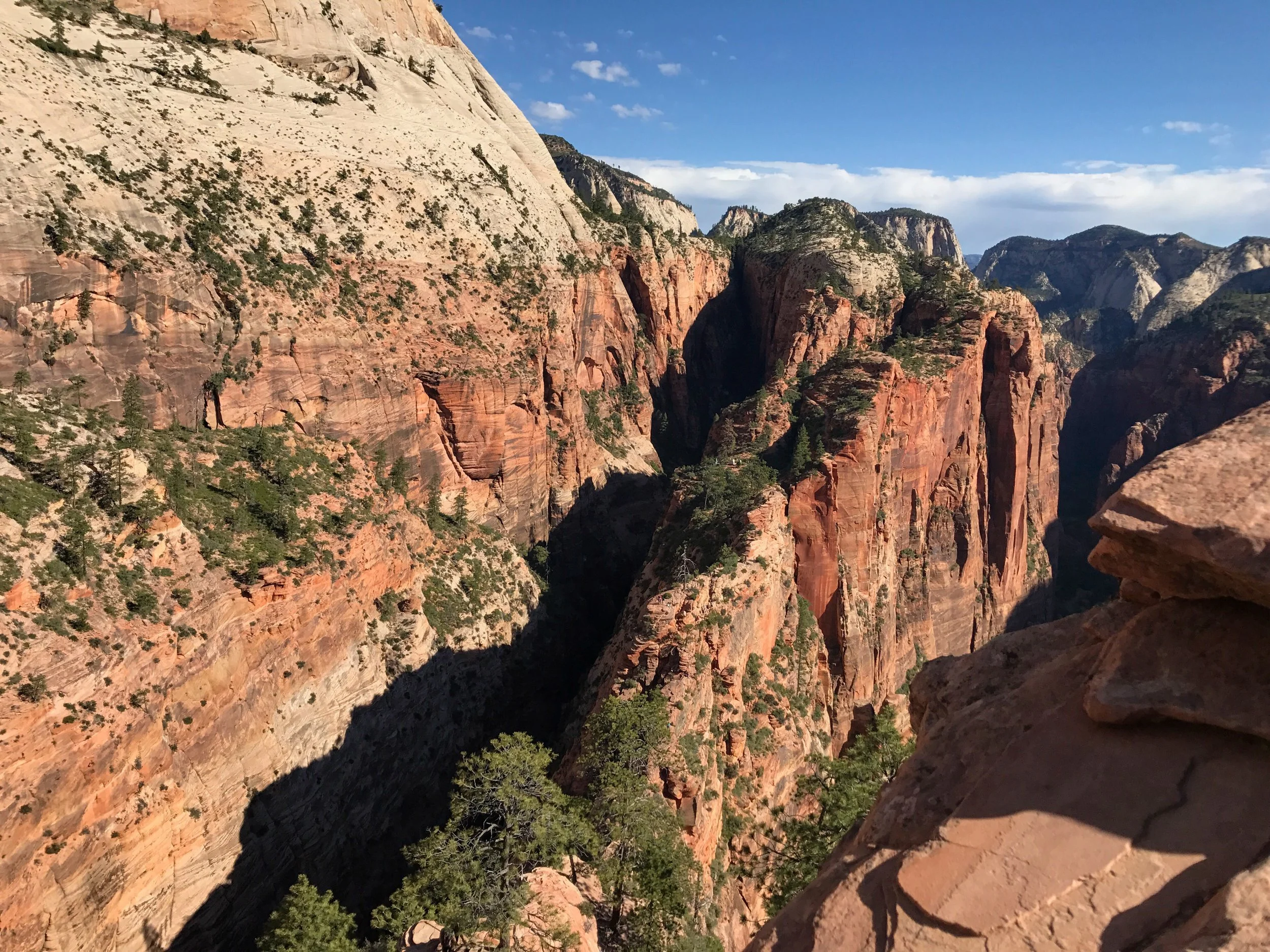
You can hike part of the Angel’s Landing trail without a permit! You just have to stop at Scout’s Lookout before the chain section. This trail is still worth doing without a permit to see the views and experience the iconic cliffside switchbacks.
Transportation Tips
Zion Canyon Shuttle System: From March to late November, private vehicles are not allowed in Zion Canyon; visitors must use the free shuttle from Springdale or the visitor center.
Zion Canyon Shuttle starts near the visitor center and stops at trailheads and scenic overlooks
Springdale Shuttle runs through Springdale to the main entrance of the park
If confused - stop by the Visitor Center upon arrival to get a shuttle stop map.
Lodging Recommendations
Inside the Park
Zion Lodge – The only in-park lodging; rustic and convenient with a classic national park feel
In Springdale (adjacent to the park)
Desert Pearl Inn – Riverside rooms with scenic views
Cliffrose Lodge – Luxury resort atmosphere with easy park access
Cable Mountain Lodge – Boutique lodging steps from the entrance
Bumbleberry Inn – Budget-friendly and centrally located
Camping Options
Watchman Campground (near Visitor Center)
Open: Year-round
Amenities: Electric hookup options, restrooms, water
Reservations: Absolutely necessary - can book out 6 months in advanced, no first come first serve sites
South Campground
Open: March–October
Amenities: Restrooms, water
Reservations: First-come, first-serve OR reservable (check NPS site)
Lava Point Campground (Kolob Terrace Rd, summer only)
Primitive and remote—great for stargazing and solitude
Is there free camping?
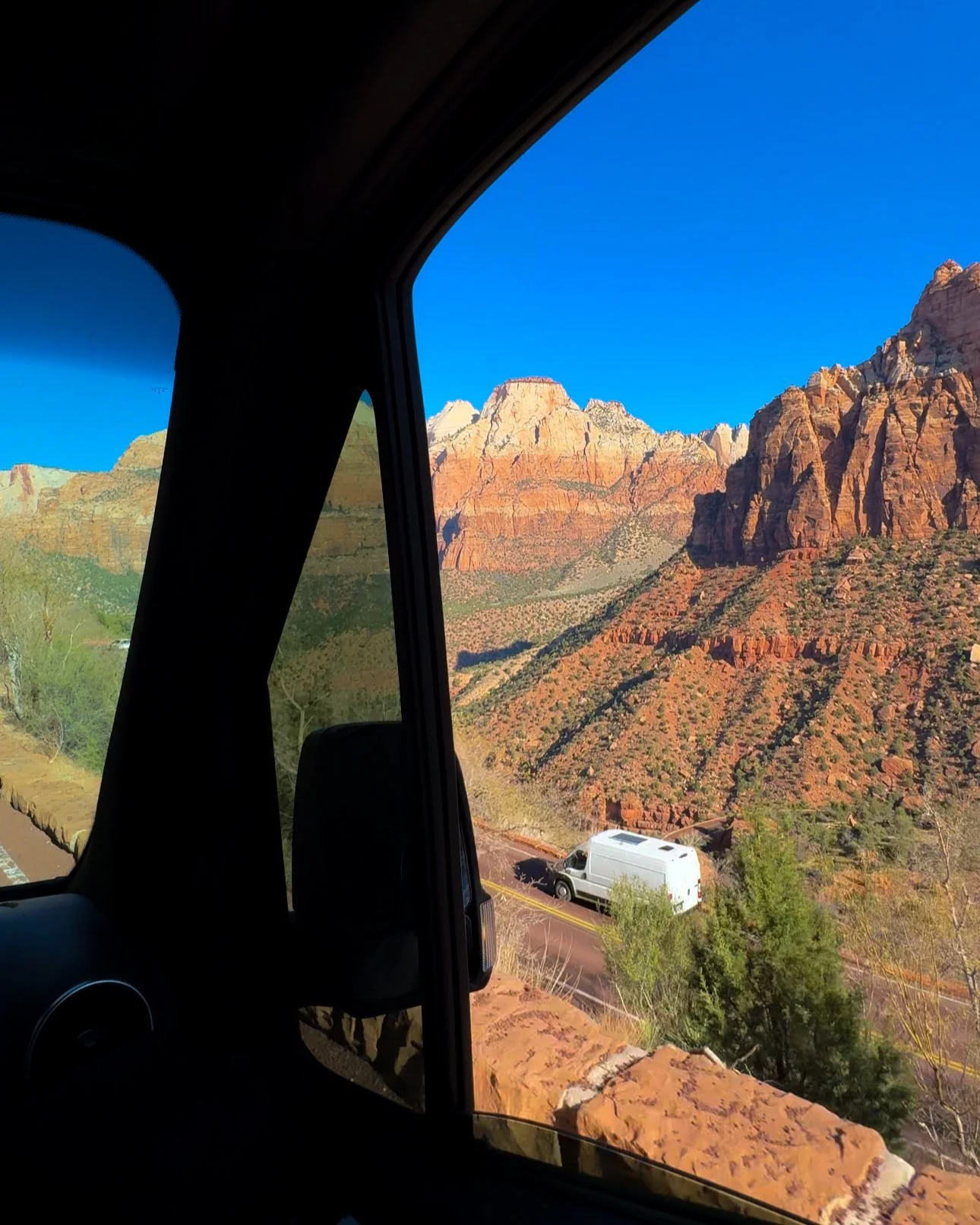
Yes! There is plenty of BLM land outside of the national park which means FREE camping! We use iOverlander to find our sites.
Dining Options
Inside the Park
Red Rock Grill (Zion Lodge) – American fare with canyon views
Castle Dome Café (seasonal) – Light meals and snacks
In Springdale
Oscar’s Café – Huge portions, great for post-hike meals
Spotted Dog Café – Upscale American cuisine
Whiptail Grill – Southwest fusion in a former gas station
Zion Pizza & Noodle Co. – Casual and great for families
Canyon Coffee – Morning coffee spot, light bites, incredible views
Zion Canyon Brewpub - Great beer, outdoor seating, close to the Springdale park entrance
Tips for Visiting Zion
Arrive Early: Avoid shuttle lines and hiking crowds, especially at Angels Landing and The Narrows
Permits: Required for Angels Landing and overnight canyoneering trips (e.g., The Narrows top-down)
Flash Floods: Always check forecasts before hiking slot canyons - if rain is forecasted, avoid hiking!
Stay Hydrated: Hikes are often exposed, little to no shade in the park
Layer Clothing: Mornings can be cool and afternoons can quickly get hot
Looking for an accessible adventure?
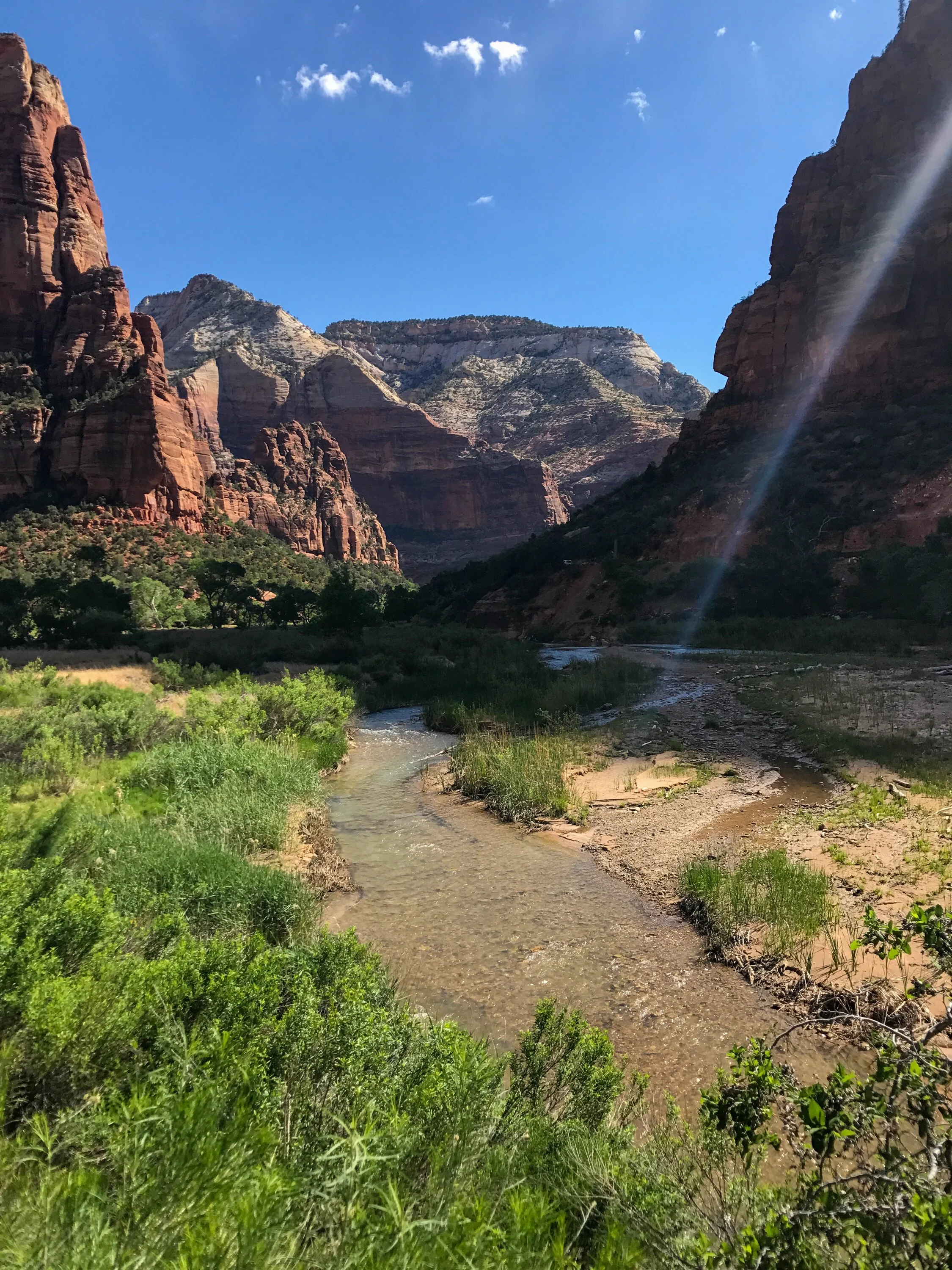
Check out the Riverside Walk or Pa’rus Trail - paved paths that take you to some beautiful park views. The shuttles are also wheelchair accessible.
Suggested 3-Day Zion National Park Itinerary
Day 1: Zion Canyon Highlights
Sunrise at the Canyon Overlook Trail
Ride the Zion Canyon Shuttle and stop at scenic viewpoints
Hike Emerald Pools (easy-moderate)
Walk the Riverside Walk along the Virgin River
Sunset at Canyon Junction Bridge or Court of the Patriarchs
Day 2: Epic Zion Adventure
Day hike The Narrows (weather and water conditions permitting)
Explore the town of Springdale
Evening stargazing or sunset views in Springdale
Day 3: Iconic Hike & Beyond Zion Canyon
Hike the thrilling Angel’s Landing
Scenic drive through Kolob Canyons
Optional stop in Kolob Terrace for solitude and lava landscapes
Other Nearby Adventures
Bryce Canyon National Park (2–2.5 hrs) – Famous hoodoos, scenic amphitheaters, and cooler temperatures at higher elevation.
Cedar Breaks National Monument (1.5 hrs) – High-elevation volcanic amphitheater with wildflowers, panoramic views, and fewer crowds.
Snow Canyon State Park (1 hr) – Lava flows, red and white sandstone cliffs, hiking, and rock climbing near St. George.
Grand Staircase–Escalante National Monument (1.5–2 hrs) – Vast wilderness with slot canyons, waterfalls, and remote desert adventures.
Final Thoughts
Zion National Park is a place of dramatic contrasts - towering canyon walls, narrow slot canyons, rushing rivers, and quiet high-elevation plateaus all packed into one unforgettable park. Whether you’re hiking iconic trails like Angels Landing and The Narrows or exploring the park’s quieter corners, Zion offers something for every type of traveler. With a little planning around timing, crowds, and weather - a visit to Zion can be both adventurous and rewarding, making it a must-see stop on any Utah national parks road trip.
Follow Our Socials: