7-Day Utah “Mighty 5” National Park Road Trip (Itinerary, Tips, & Travel Guide)
Road tripping through Utah's "Mighty 5" national parks - Zion, Bryce Canyon, Capitol Reef, Arches, and Canyonlands - is the quintessential bucket list road trip. This road trip offers an unparalleled journey through some of the most breathtaking landscapes in the United States. In this post, we will lay out everything you need to know about road tripping to these parks including a day-by-day guide with hikes, scenic viewpoints, accommodations, dining options, and drive times to help you make the most of your adventure.
As a disclaimer : this blog post may contain affiliate links. This means we get a small commission if you purchase through the links - no extra cost to you! This is one way we can keep producing free guides to help you with your travels!
An Introduction to Utah’s Mighty 5 National Parks
Zion National Park
Zion National Park is known for its towering sandstone cliffs, narrow slot canyons, and lush desert landscapes. Home to iconic hikes like Angels Landing and The Narrows, Zion offers some of the most dramatic scenery and outdoor adventures in the Southwest. Its mix of challenging trails and scenic walks makes it a must-visit for hikers of all levels.
Bryce Canyon National Park
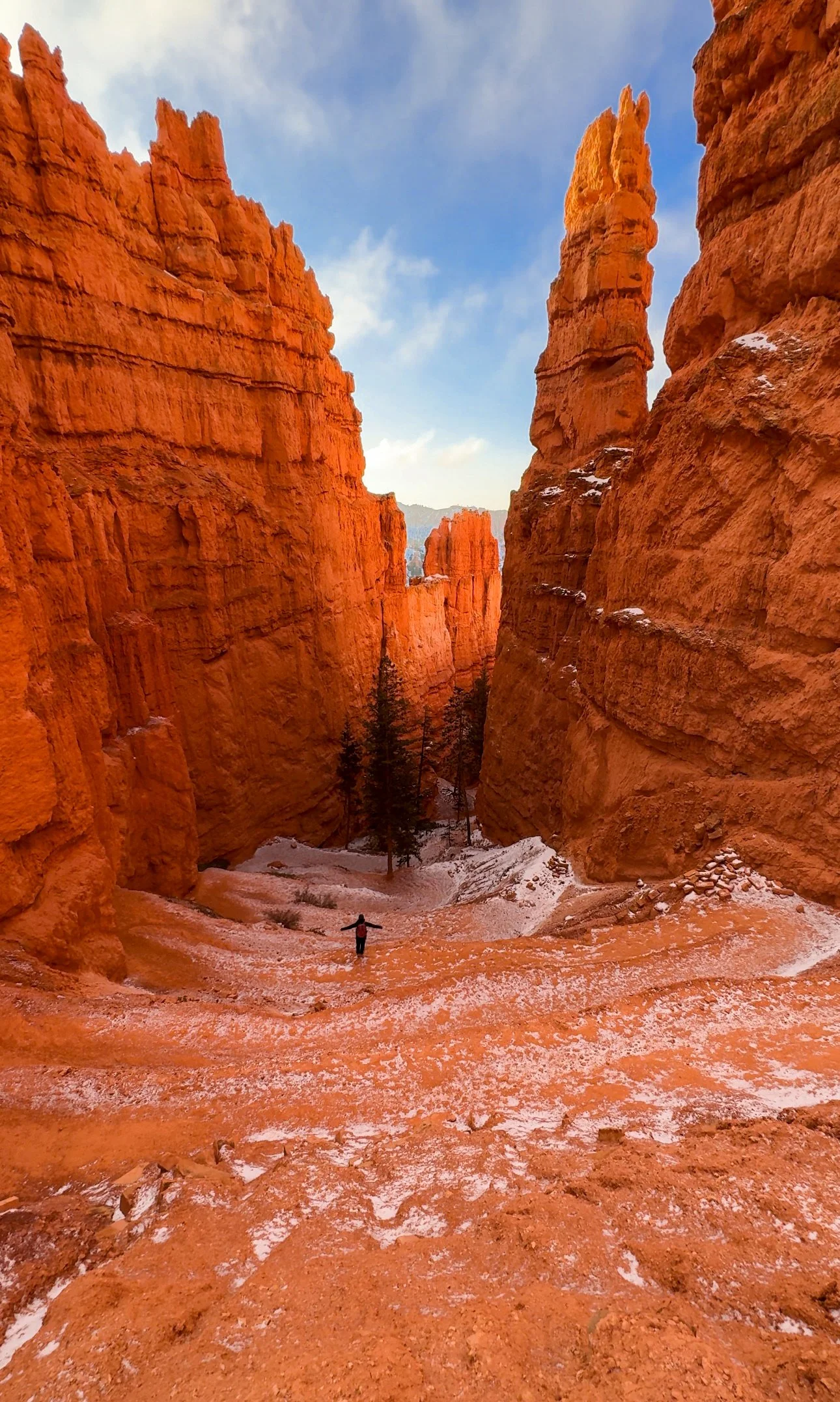
Bryce Canyon National Park stands out for its otherworldly hoodoos—tall, spire-shaped rock formations carved by erosion. Despite its small size, Bryce offers unforgettable hiking trails, stunning overlooks, and some of the darkest night skies in the country. The park’s high elevation provides cooler temperatures and unique landscapes unlike anywhere else in Utah.
Capitol Reef National Park
Capitol Reef National Park is one of Utah’s most underrated gems, featuring colorful cliffs, narrow canyons, and the historic Waterpocket Fold. With fewer crowds than other parks, it’s ideal for travelers seeking scenic drives, peaceful hikes, and authentic desert solitude.
Arches National Park
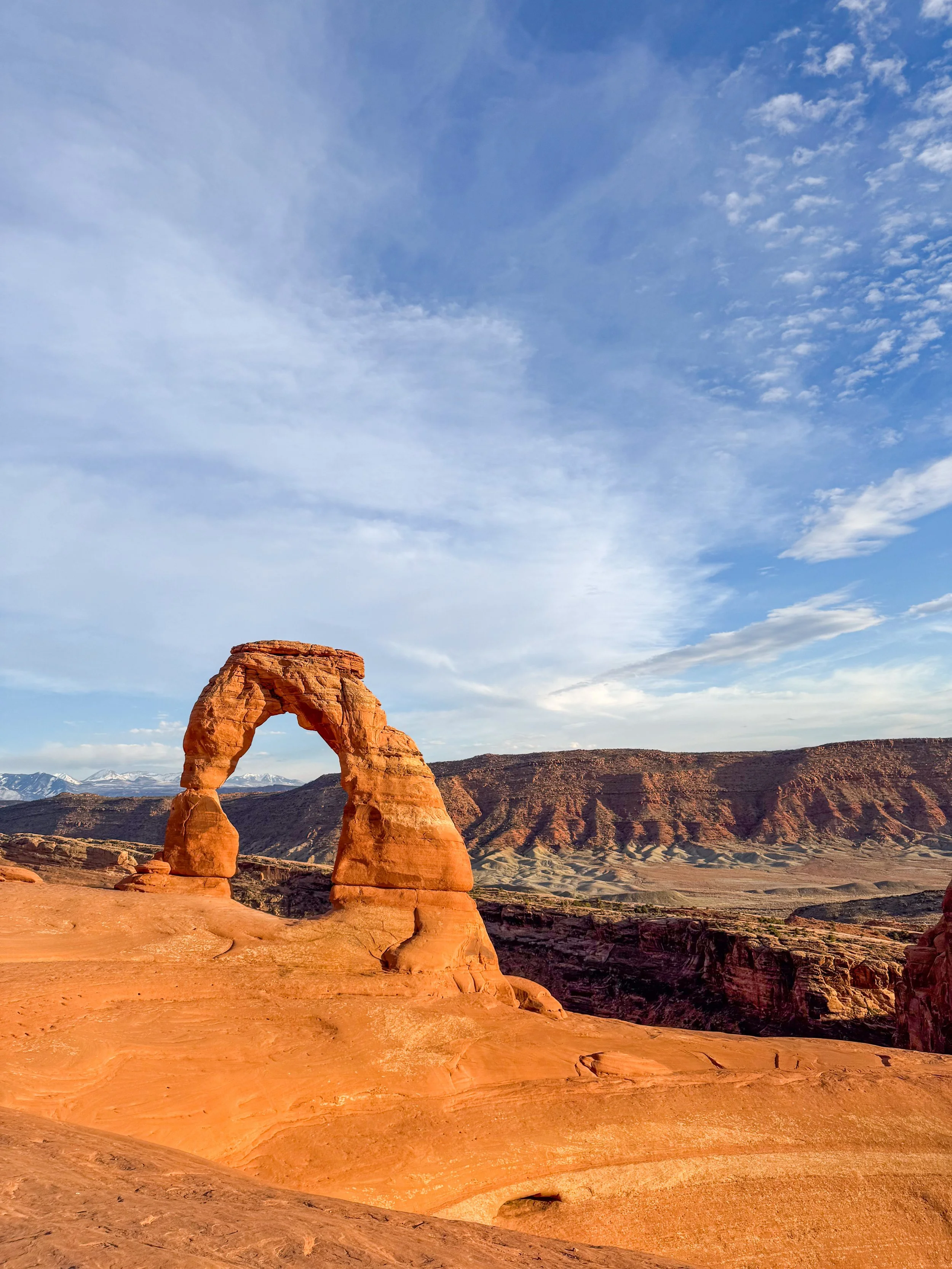
Arches National Park is famous for having the highest concentration of natural stone arches in the world. From short walks to iconic landmarks like Delicate Arch to longer hikes through red rock landscapes, the park offers incredible scenery at every turn. Its unique geology and proximity to Moab makes Arches one of Utah’s most popular national parks.
Canyonlands National Park
Canyonlands National Park is a vast and rugged wilderness carved by the Colorado and Green Rivers. Divided into four districts, the park offers expansive views, remote hiking trails, and dramatic desert landscapes. Ideal for outdoor enthusiasts, Canyonlands delivers solitude, adventure, and some of the most breathtaking vistas in Utah.
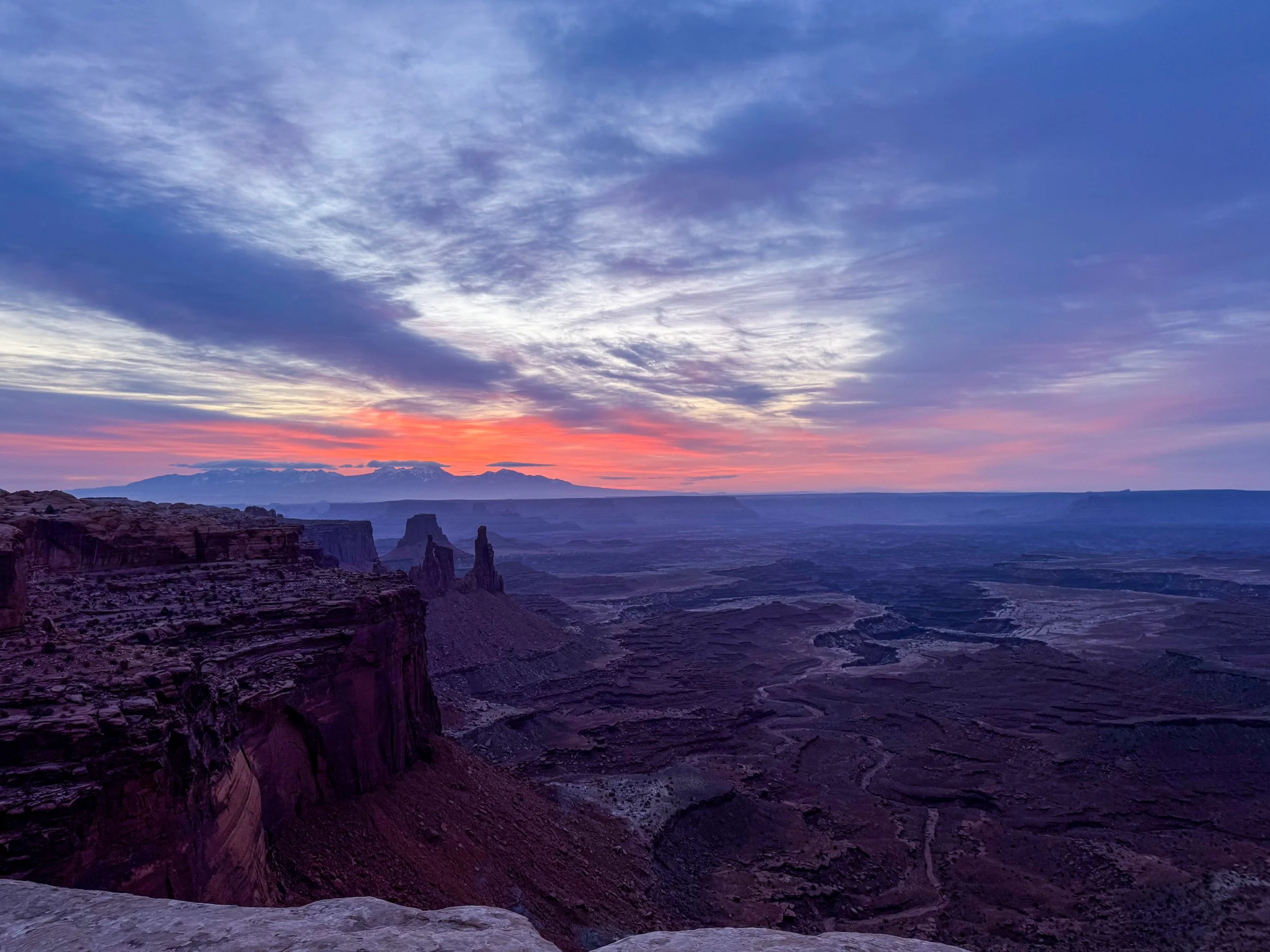
Sunrise in Canyonlands National Park
Frequently Asked Questions:
Where should I fly in?
This depends on where you want to start the road trip! In this guide, we have you flying into Las Vegas, Nevada and starting the trip in Zion National Park. Alternatively, you can fly into Salt Lake City, Utah and begin the road trip in Arches National Park - essentially reversing the route we laid out below.
Do I need a rental car?
You will need a rental car or personal vehicle for this trip - there is no public transportation to Utah’s national parks. We strongly recommend renting a van or RV to make travel easier, especially since many parks are remote with limited lodging options. This allows for greater flexibility and reduces the need to rely on hotel accommodations.
Do I need a 4x4 vehicle?
If you want to explore places off the beaten path - like Cathedral Valley in Capitol Reef National Park - then yes, you definitely do! However in this guide, everything included can be accessed by any vehicle!
What is the best time of year to take this road trip?
Utah’s national parks are open year-round. Winter and early spring offer fewer crowds, though conditions can be colder, cloudier, or wetter—balanced by occasional sunny, beautiful days. May, June, September, and October are ideal for hiking, with comfortable temperatures and longer daylight hours. Summer can be extremely hot in some parks, making hiking uncomfortable or even unsafe.
How many days do I need for this road trip?
We have laid out a 7-day road trip and this is the MINIMUM we would recommend. You could easily stretch this road trip to 10-14 days to allow more time in each park and even include a few state parks along the route. We will have more information on these alternative stops at the end of the guide.
What are the fees required to visit?
In 2026 - there are new rules for visiting national parks - it is important to note the following:
You must pay a daily entrance fee for each park you visit or use broader annual passes.
The most common pass is the America the Beautiful – National Parks and Federal Recreational Lands Pass, which covers entrance or day‑use fees at 2,000+ federal recreation sites (including national parks, monuments, forests, wildlife refuges, BLM lands, etc.). These can be purchased online or at the park entrances.
2026 updates: Starting January 1, 2026, America the Beautiful passes cost $80 for U.S. residents, but non‑U.S. residents pay $250 for an annual pass, and nonresidents without a pass will pay an additional $100 per person surcharge at 11 major parks in addition to regular fees.
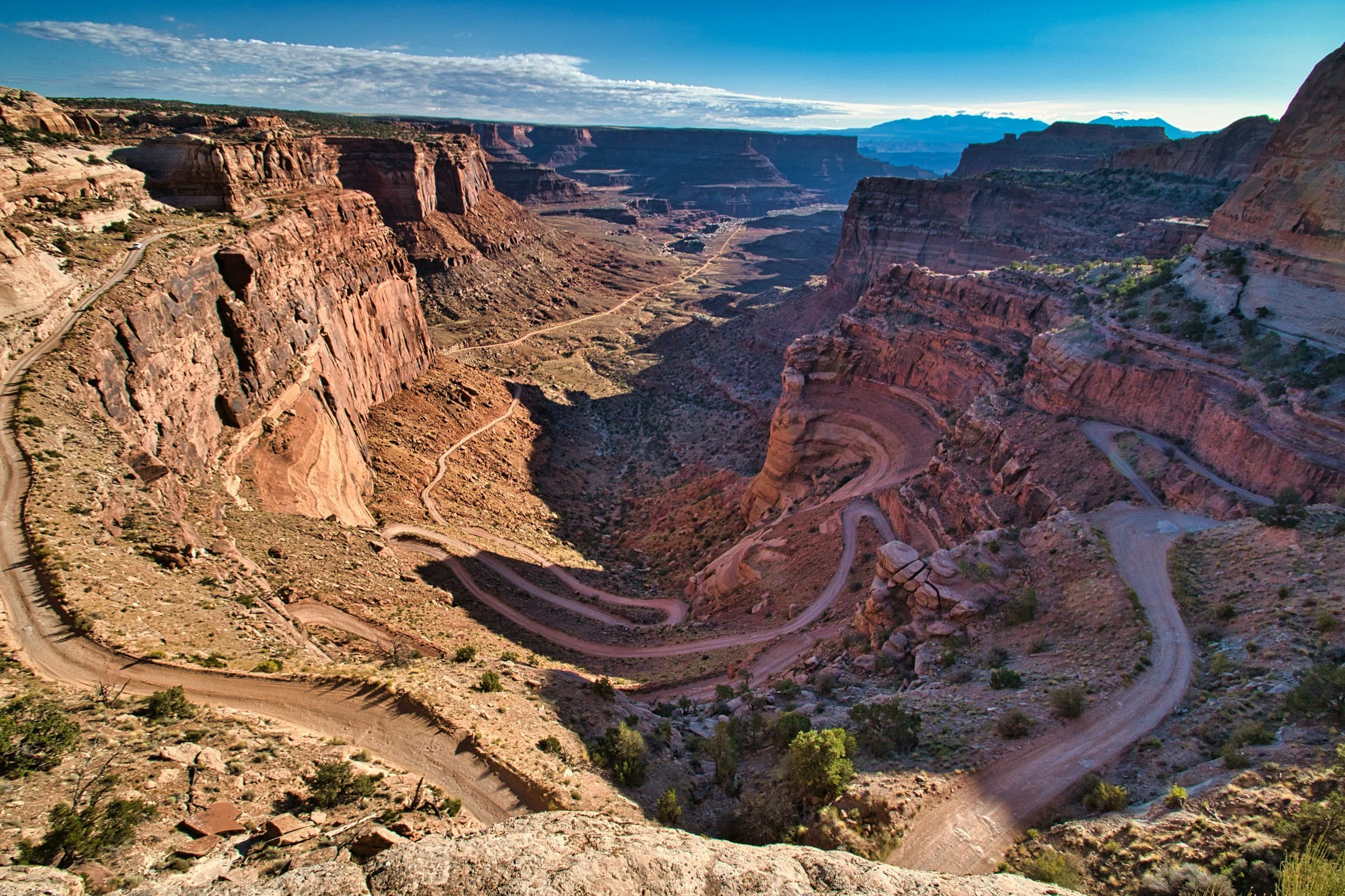
Shafer Road in Canyonlands National Park
Utah’s Mighty 5 National Park Road Trip Itinerary
Day 1: Arrival in Las Vegas & Drive to Zion National Park
Drive Time: Approximately 2.5 hours (160 miles)
Activities:
Drive to Springdale, UT, the gateway to Zion National Park. Explore the town.
Depending on arrival time - consider hiking the short, one-mile Canyon Overlook Trail.
Accommodation: Stay in Springdale at options like Zion Lodge (inside the park), Cliffrose Lodge, or Desert Pearl Inn.
Camping Option: Watchman Campground (reservations recommended).
Dining: Enjoy dinner at local favorites such as Oscar's Café or King's Landing Bistro.
Tips:
Purchase a National Park Pass for entry to all parks. You can do this online or at retailers like REI. You can also do this at the park entrance.
Check shuttle schedules for Zion Canyon access.
Day 2: Exploring Zion National Park
Activity Options:
The Narrows: Zion’s iconic hike through the Virgin River exploring a stunning slot canyon.
Angels Landing: If you can score a permit and you are not afraid of heights - this challenging trail is a must! The summit rewards hikers with breathtaking panoramic views over Zion Canyon and the Virgin River below.
Emerald Pools Trail: A family-friendly trail that takes you to beautiful pools and waterfalls.
Observation Point: If you can’t score permits to Angel’s Landing but you want to do a hike with a view, this is the trail for you!
Dining: Lunch at Café Soleil; dinner at Spotted Dog Café. Consider packing a lunch if you are going for a half-day hike.
Tips:
Start hikes early to avoid shuttle lines, crowds, and heat.
Rent appropriate gear for The Narrows hike - this can be done in Springdale.
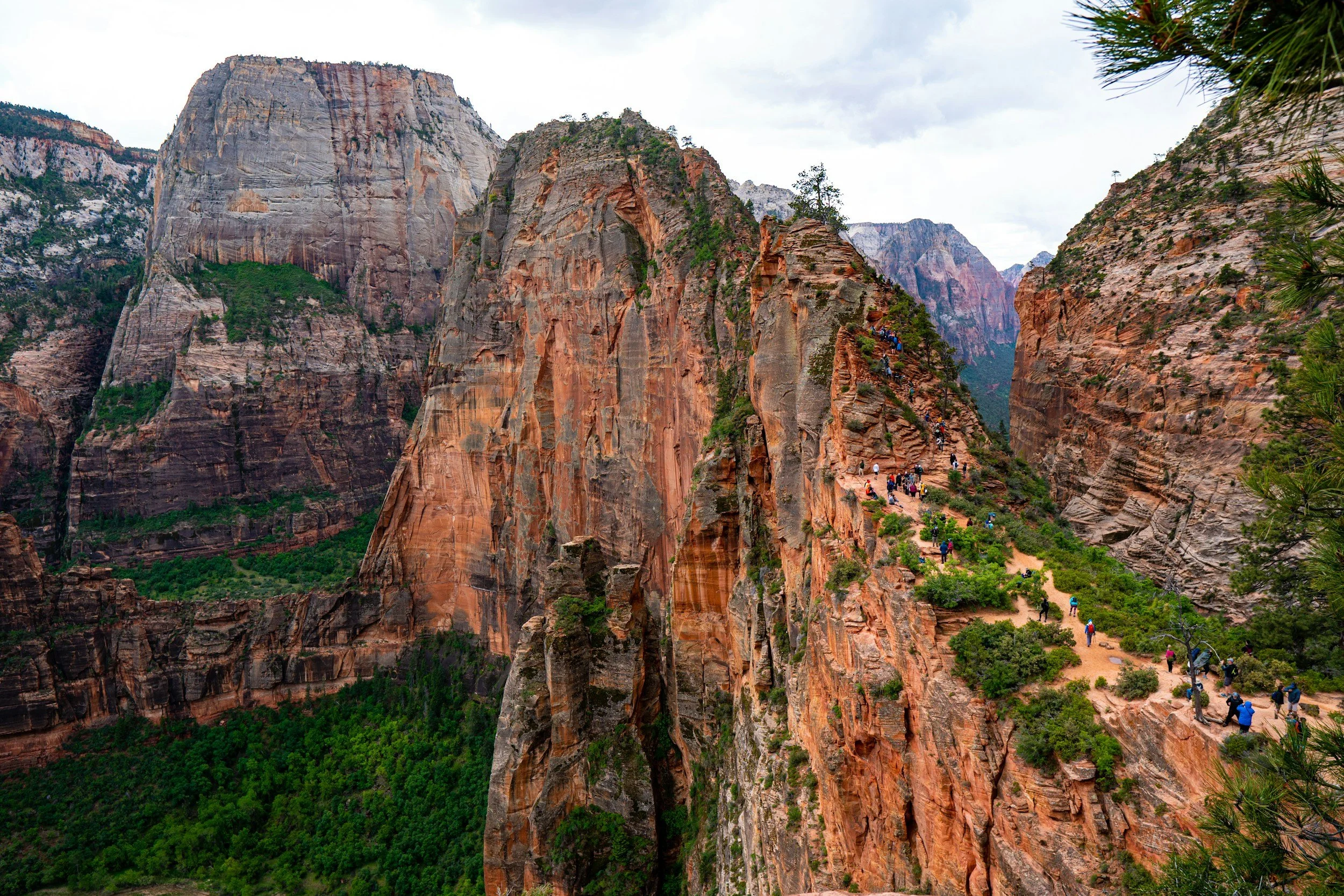
Angel’s Landing in Zion National Park
Day 3: Zion to Bryce Canyon National Park
Drive Time: Approximately 2 hours (85 miles)
Activities:
Scenic Drive: Travel along the Zion-Mount Carmel Highway.
Bryce Canyon: Explore viewpoints like Sunrise Point, Sunset Point, and Inspiration Point.
Hike: Navajo Loop and Queen's Garden Trail - this 3-mile trail takes you to the iconic Wall Street viewpoint.
Accommodation: Stay at The Lodge at Bryce Canyon or nearby hotels in Bryce Canyon City.
Camping option: North Campground (first-come, first-served) or Sunset Campground (seasonal).
Dining: Dinner at Bryce Canyon Lodge Restaurant or Bryce Canyon Pines Restaurant.
Tips:
Dress in layers; temperatures can be significantly colder here than the other Utah parks.
Most of Bryce Canyon sits at over 8,000 feet - drink a lot of water to combat altitude sickness, especially if hiking.
Day 4: Bryce Canyon to Capitol Reef National Park
Drive Time: Approximately 2.5 hours (120 miles) via Scenic Byway 12
Activities:
Bryce Canyon: If you are feeling like a sunrise hike before the drive, consider hiking Peekaboo Loop. This hike is strenuous - 5 miles with 1,500 feet of elevation gain - but it was our favorite trail we did in Bryce Canyon!
Capitol Reef:
Visit Fruita Historic District - try the famous pies at Gifford Homestead.
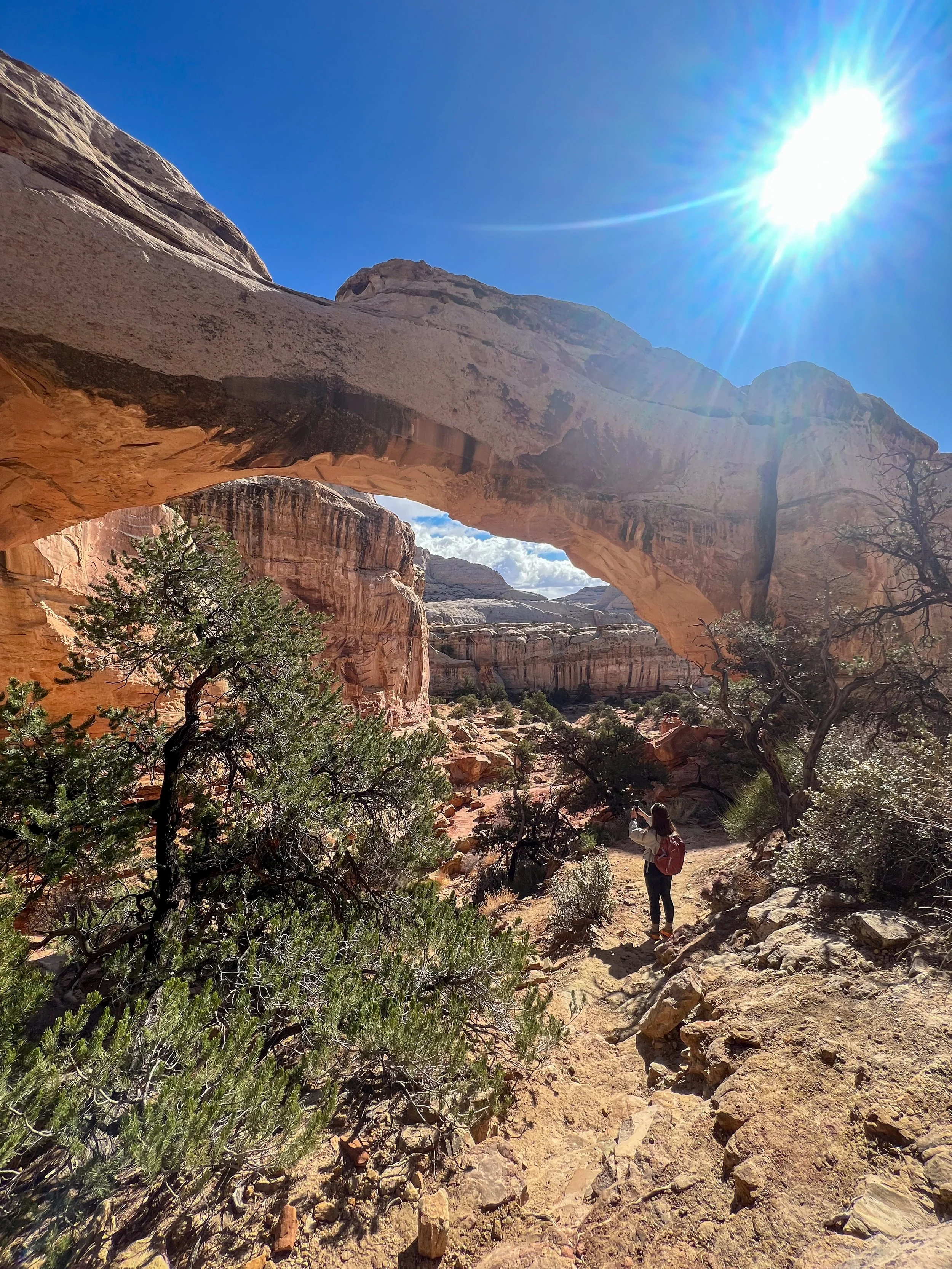
Hike to Hickman Bridge - a moderate, 2-mile hike to a stunning arch.
Explore the Grand Wash - if you love exploring slot canyons, this one is super easy to access and only takes an hour or so to see.
Accommodation: Stay in Torrey, UT at Capitol Reef Resort or Red Sands Hotel.
Camping Option: Fruita Campground (reservations available).
Dining: Dinner at Café Diablo or Capitol Reef Inn & Café.
Tips:
Check road conditions for Scenic Byway 12, especially in inclement weather.
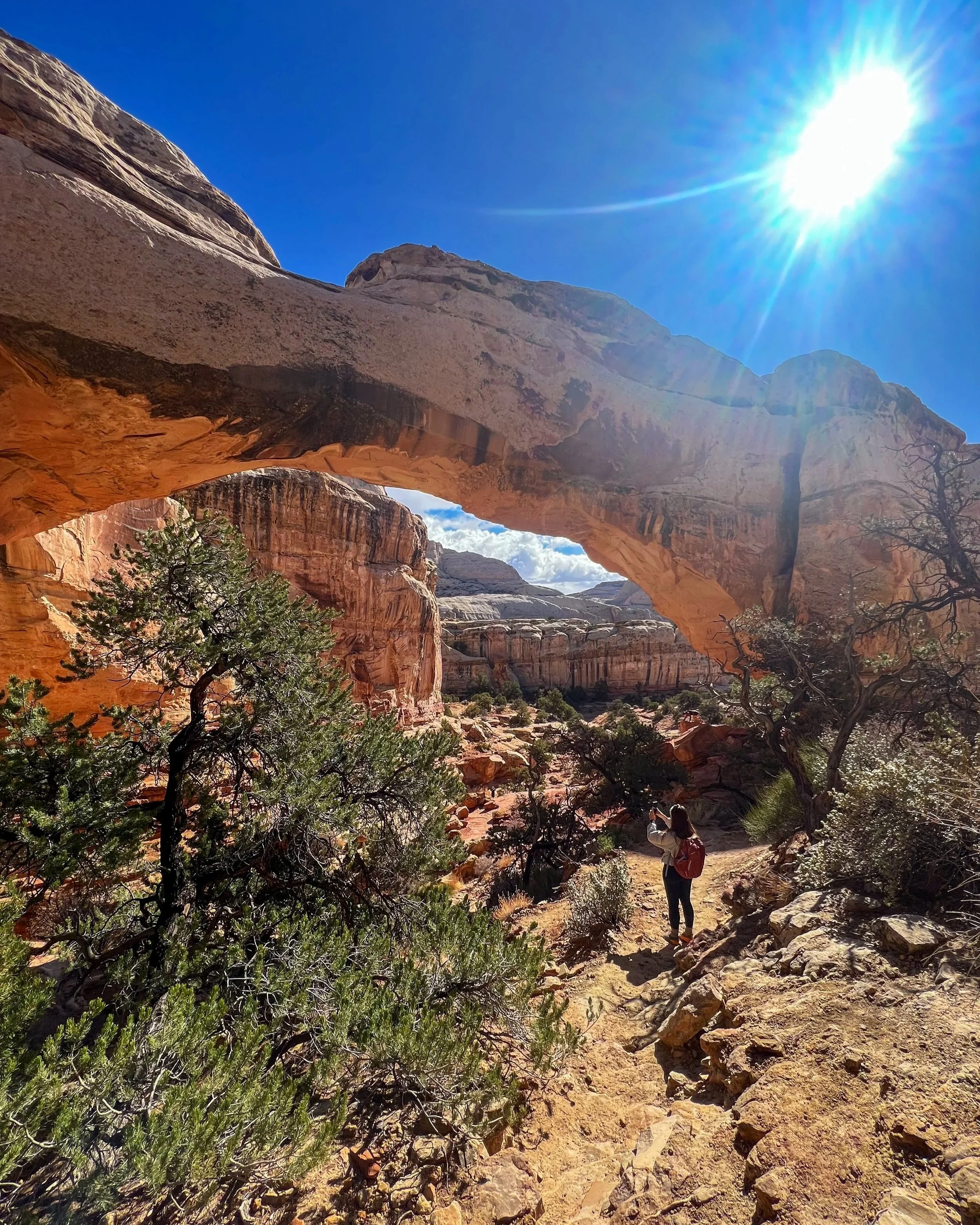
Hickman Bridge at Capitol Reef National Park
Day 5: Capitol Reef to Arches National Park
Drive Time: Approximately 3.5 hours (160 miles)
Activities:
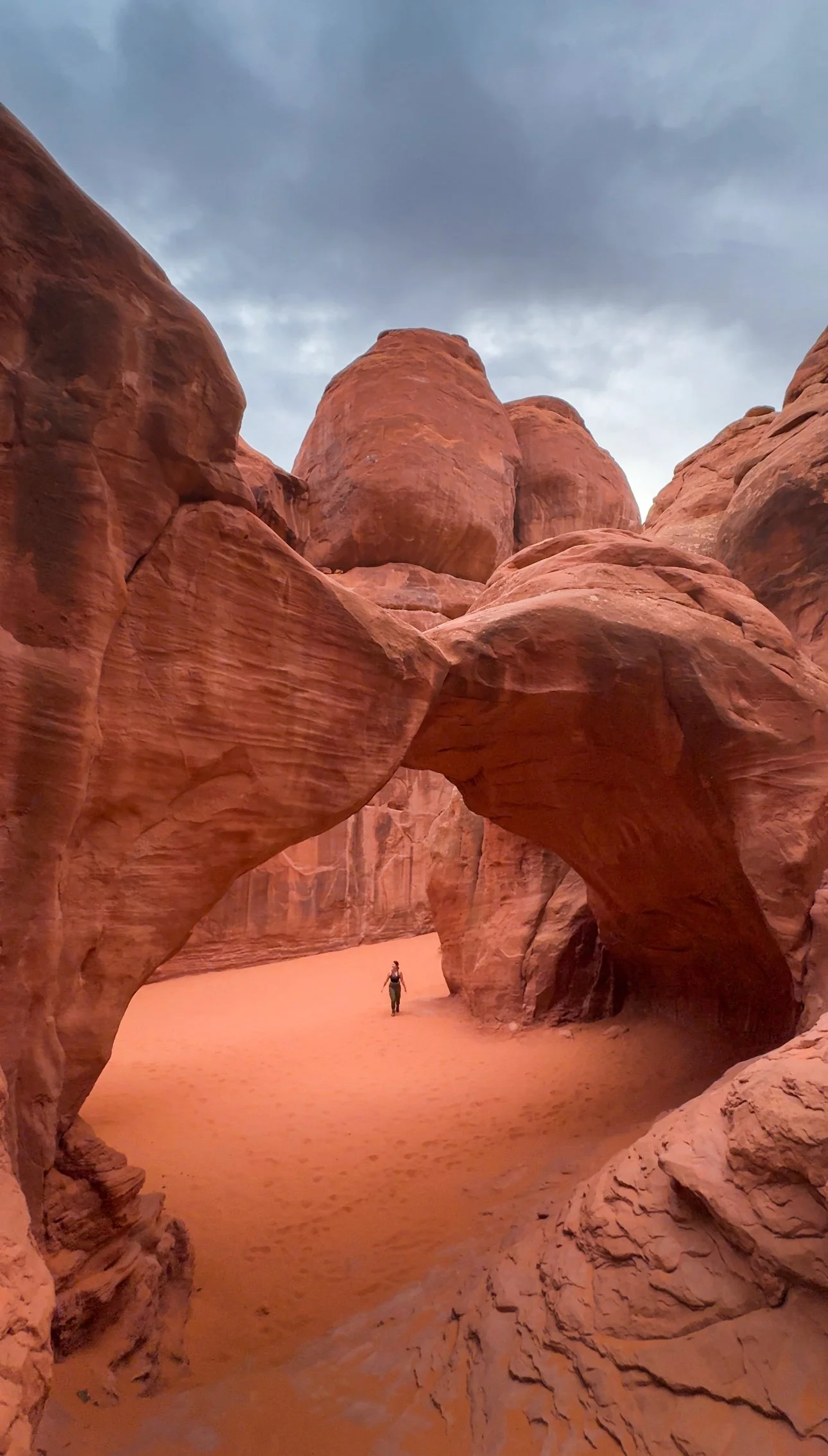
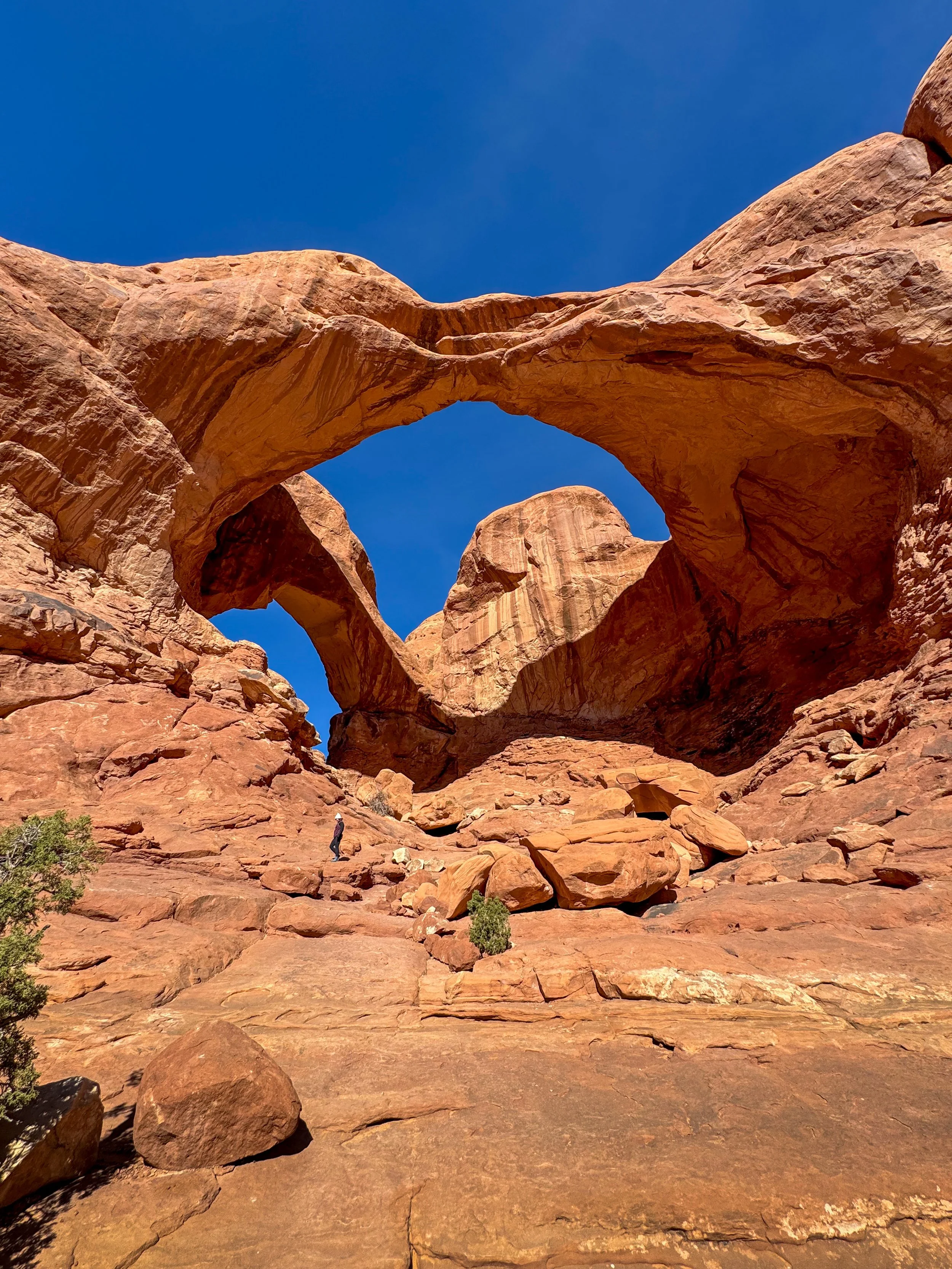
Visit some iconic arches (either right off the parking lot or accessed via short trails) like Sand Dune Arch, Double Arch, Windows Arch, and Landscape Arch.
Sunset hike to Delicate Arch
Accommodation: Stay in Moab when exploring both Arches and Canyonlands National Parks. Some options include Hoodoo Moab, Aarchway Inn, or local campgrounds.
Camping option: Devils Garden Campground (Arches) and Willow Flat Campground (Canyonlands) require reservation.
Dining: Dinner at Antica Forma or Moab Brewery.
Tips:
Reserve timed entry tickets for Arches National Park in advance (necessary depending on time of year you visit).
Explore Moab's local shops and art galleries in the evening.
Day 6: Canyonlands National Park (Island in the Sky District)
Drive Time: Approximately 45 minutes from Moab
Activities:
Mesa Arch: Short hike to a stunning sunrise viewpoint.
Grand View Point Overlook: Panoramic views of the canyon landscape.
Green River Overlook: Another scenic overlook and a great place to watch the sunset.
Upheaval Dome: A 2-mile trail that takes you to see a geological mystery in the park.
Dining: Lunch at The Cowboy Grill; dinner at The Broken Oar.
Tips:
Bring plenty of water and sun protection; shade is limited.
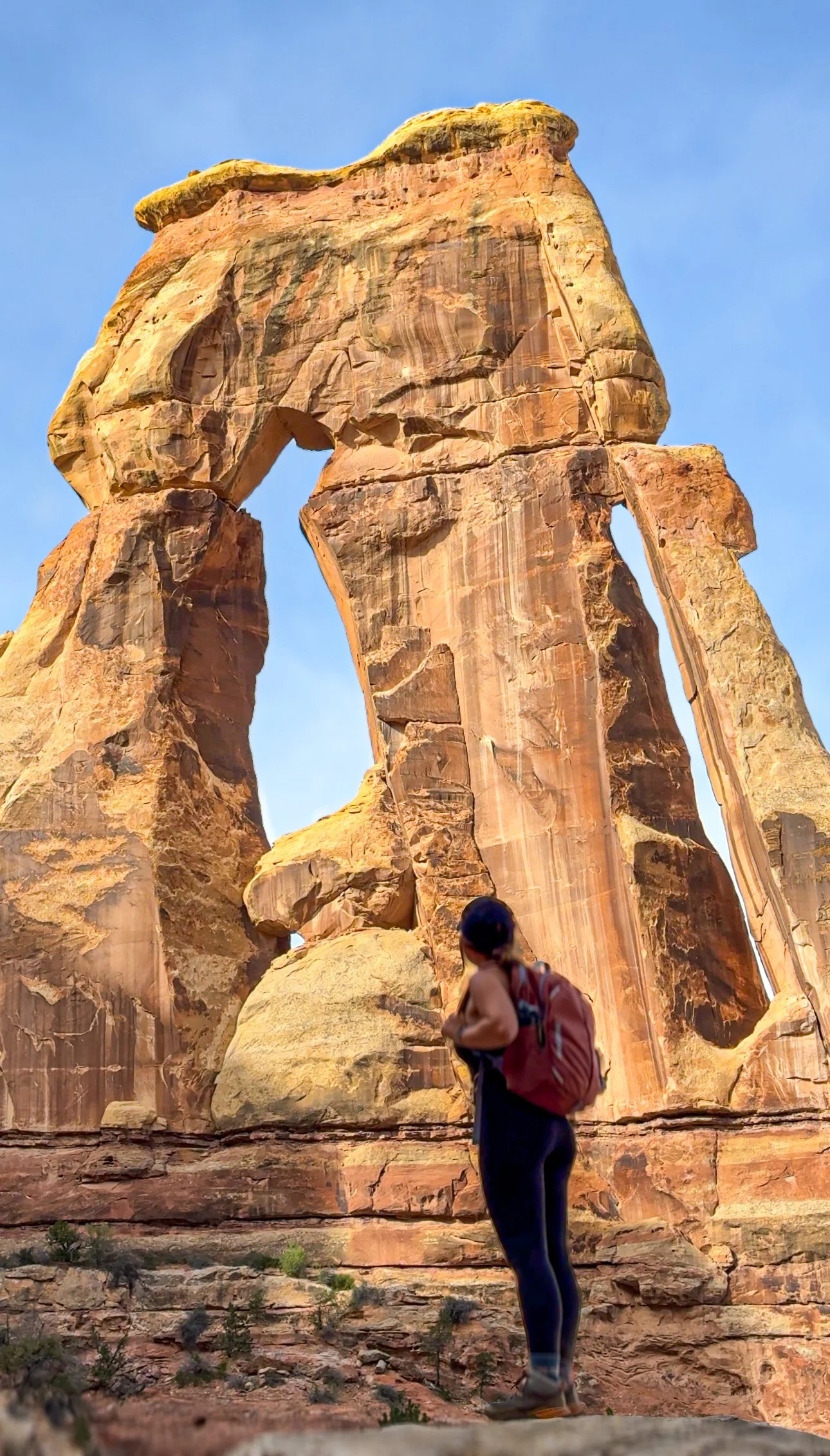
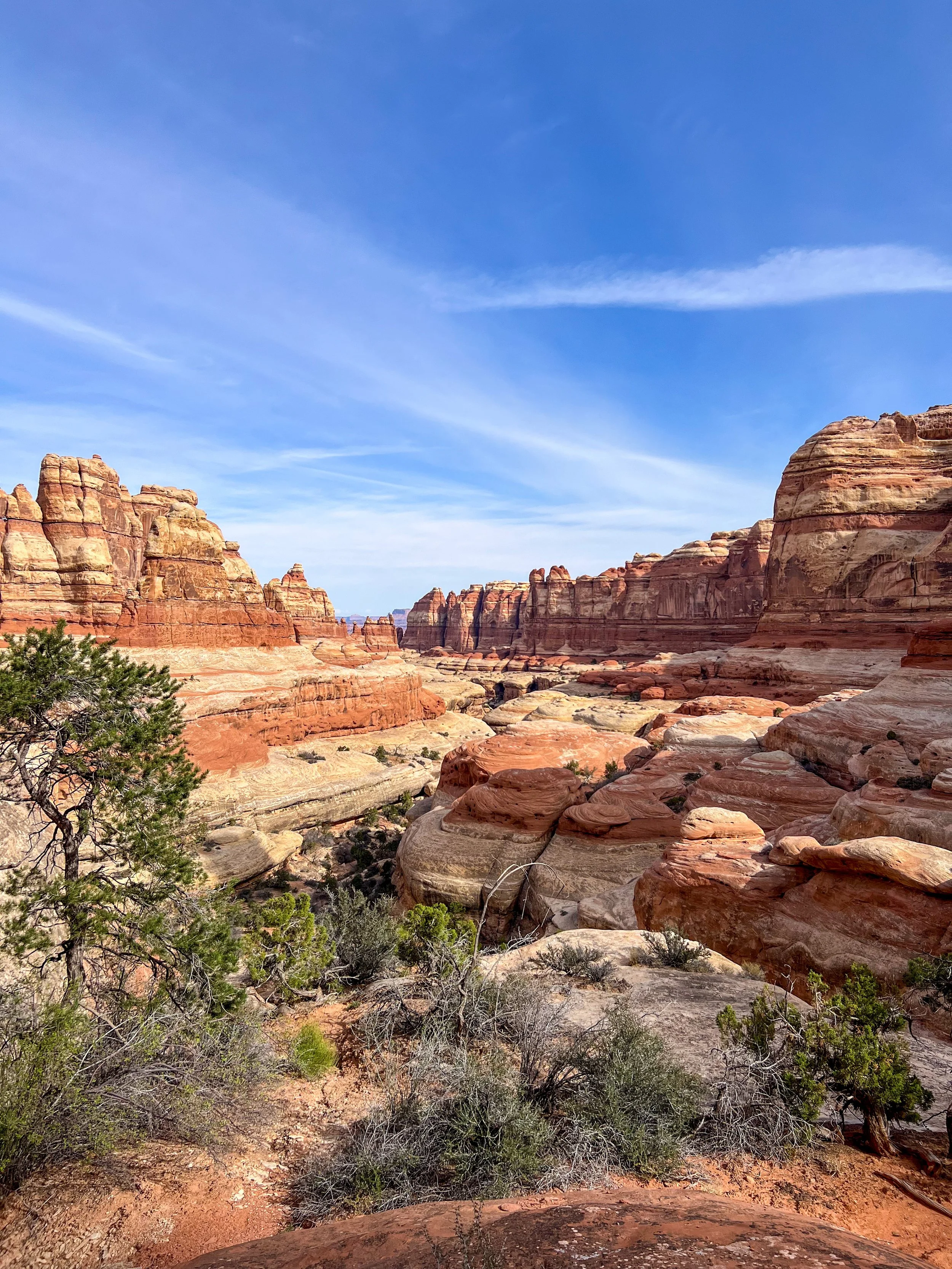
If you have an extra day you can spare, consider exploring The Needles District of Canyonlands National Park. This is a more remote section with epic hikes - like Druid Arch.
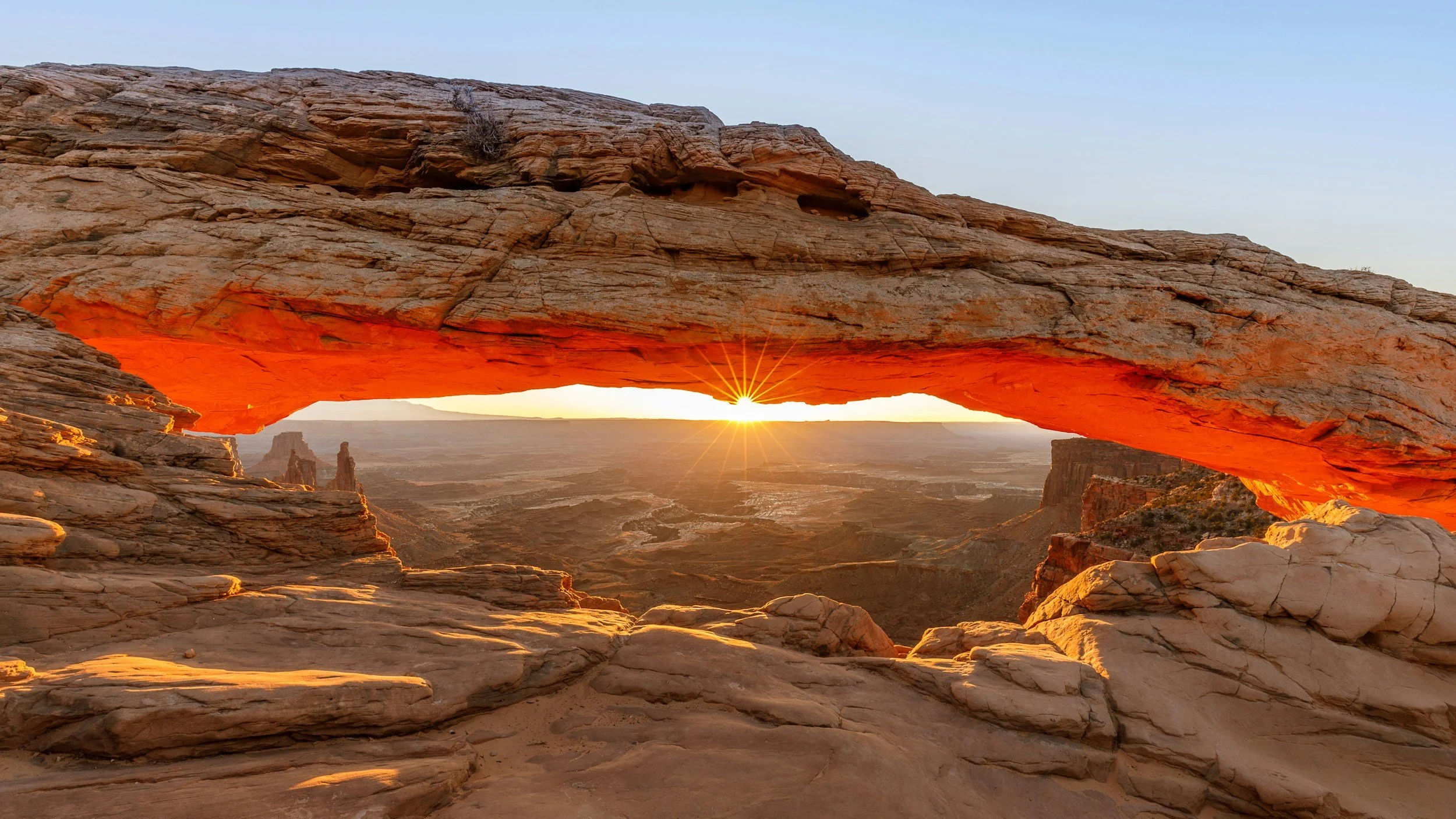
Mesa Arch in Canyonlands National Park
Day 7: Drive to and fly out of Salt Lake City
Drive Time: Approximately 3.5 hours
**You can fly out of Las Vegas, Nevada too - this is a 6.5 hour drive from Moab, Utah.
Longer Trip Options and Alternative Stops
If you are able to extend your road trip past 7 days, you can spend a day or two more in the parks of your choice or you can explore a few other wilderness areas along the route.
Dead Horse Point State Park:
Known for its dramatic overlooks, Dead Horse Point offers sweeping views of the Colorado River winding through deep red rock canyons, making it a favorite stop for photography, hiking, and sunset views. This place is like a mini-Canyonlands and has also been compared to Grand Canyon National Park.
Grand Staircase–Escalante National Monument:
This vast and remote monument features rugged canyons, slot hikes, and colorful rock formations, offering endless opportunities for backcountry exploration and outdoor adventure.
Goblin Valley State Park:
Goblin Valley is famous for its unique, mushroom-shaped rock formations called hoodoos, creating a playful and otherworldly landscape that’s perfect for easy exploration and photography.
Kodachrome Basin State Park:
Kodachrome Basin showcases striking sedimentary rock spires set against vibrant desert colors, with scenic trails and peaceful surroundings ideal for hiking and camping.
Valley of Fire State Park:
Located just outside Las Vegas, Valley of Fire is known for its fiery red sandstone formations, ancient petroglyphs, and scenic hikes through vibrant desert landscapes.
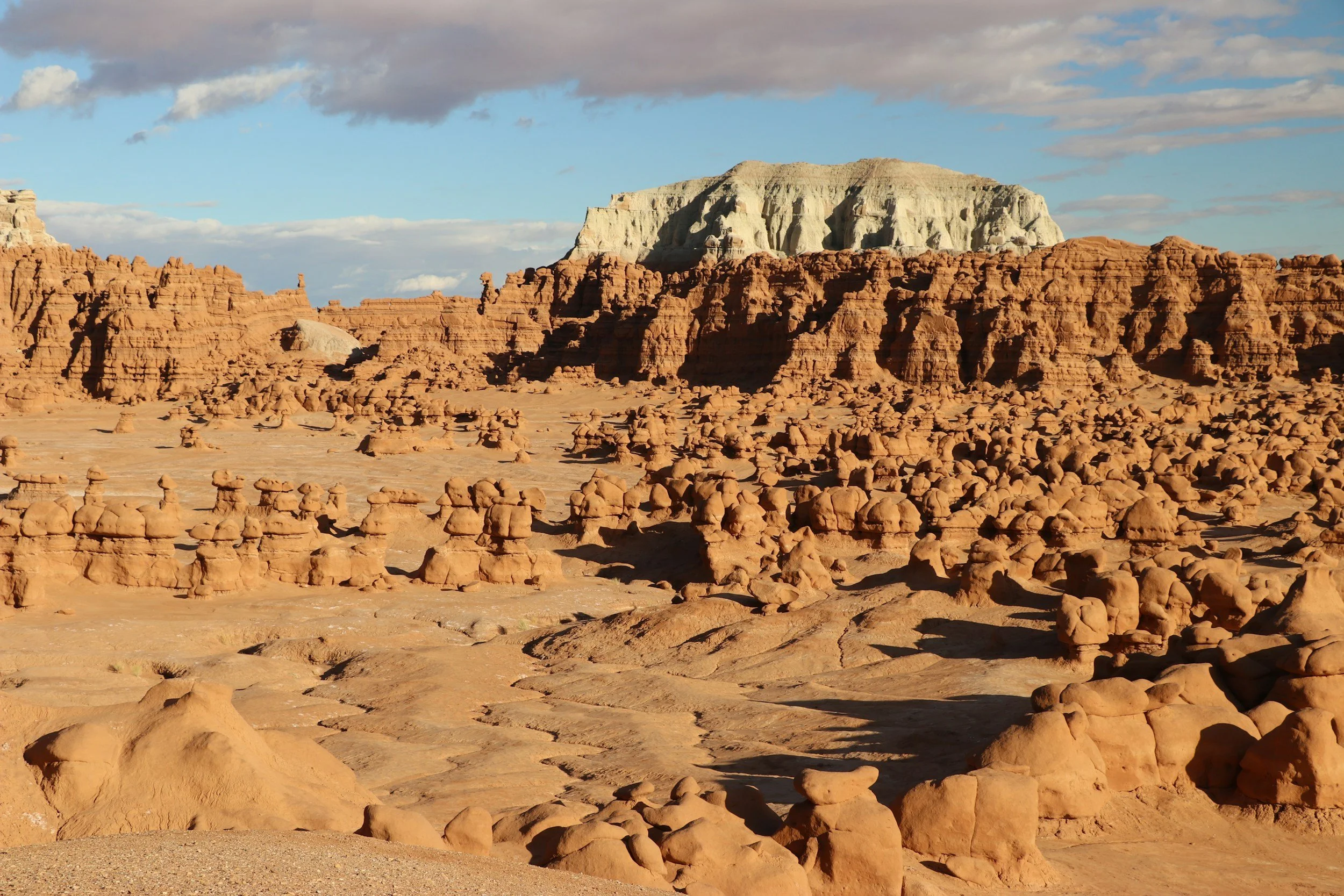
Goblin Valley State Park in Utah
What to Wear in the Utah Parks
The weather across this road trip can vary greatly depending on the time of year you visit and the elevation of the park. In the summer months, temperatures can reach 100 degrees or more and in the winter months, temperatures can drop below freezing.
If you visit in the winter, layers are key:
Waterproof rain shell (pro tip: wear a bright shell, pink or blue, to stand out in photos)
If you visit in the warmer months, sun protection is key:
Other hiking gear you may need includes:
Microspikes (if you visit in the winter)
Headlamp (for sunrise or sunset hikes)
Final Thoughts
Traversing Utah's Mighty 5 offers an unforgettable journey that will no doubt go down as one of the best road trips of your life! From the towering cliffs of Zion to the intricate arches of Moab, each park has a unique landscape that you can’t see anywhere else in the world. This road trip not only showcases the natural beauty of the American Southwest but also provides a deeper appreciation for the preservation of these national treasures.
Follow us on social media!